.svg)
See your team's activity and your processes side by side
The margin meeting names one lever, because people is the only part anyone measures. Insightful reads the hours your teams spend and the processes those hours run through, side by side.


.avif)











Caduceus Health

Spinwise

TRG
Turn a margin meeting into a ranked list

Without Insightful

One says the team was busy. The other says the process is slow. Neither explains.
The meeting names one lever, because people is the only measured component.
Drawn from memory by the people who already disagree about how it runs.
So the list is long, nobody ranks it, and the loudest item gets picked first.
The next quarter closes and the number moved for four other reasons.

With Insightful

The hours and the process they ran through, on the same screen and the same period.
Coordination, tool switching, rework and manual steps, each carrying its hours.
Mapped from how the work moves across your systems, while the work happens.
Each mapped process carries the hours it holds and what a fix would return.
Every measure carries its change against the same-length period before it.
Break the cost line into hours you can name
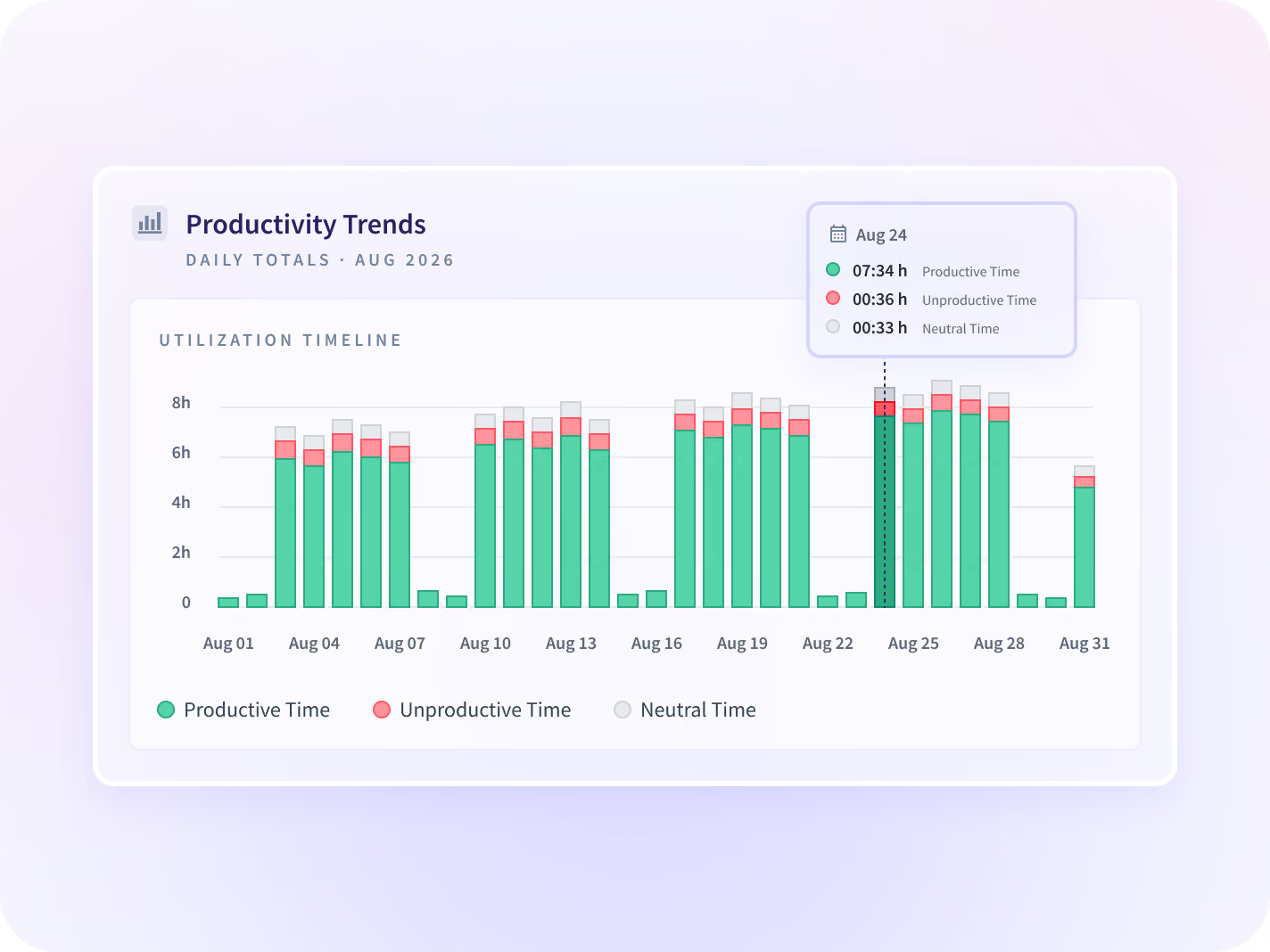
Utilization and productive time read against your own target, by team and by site, each measure carrying its change against the period before. The gap is where the cost sits, and it is rarely idle people.
- You set the target and the unit of delivery. There is no vendor score here
- Productive, idle and manually entered time, each split by team and by site
See how the work moves across your systems
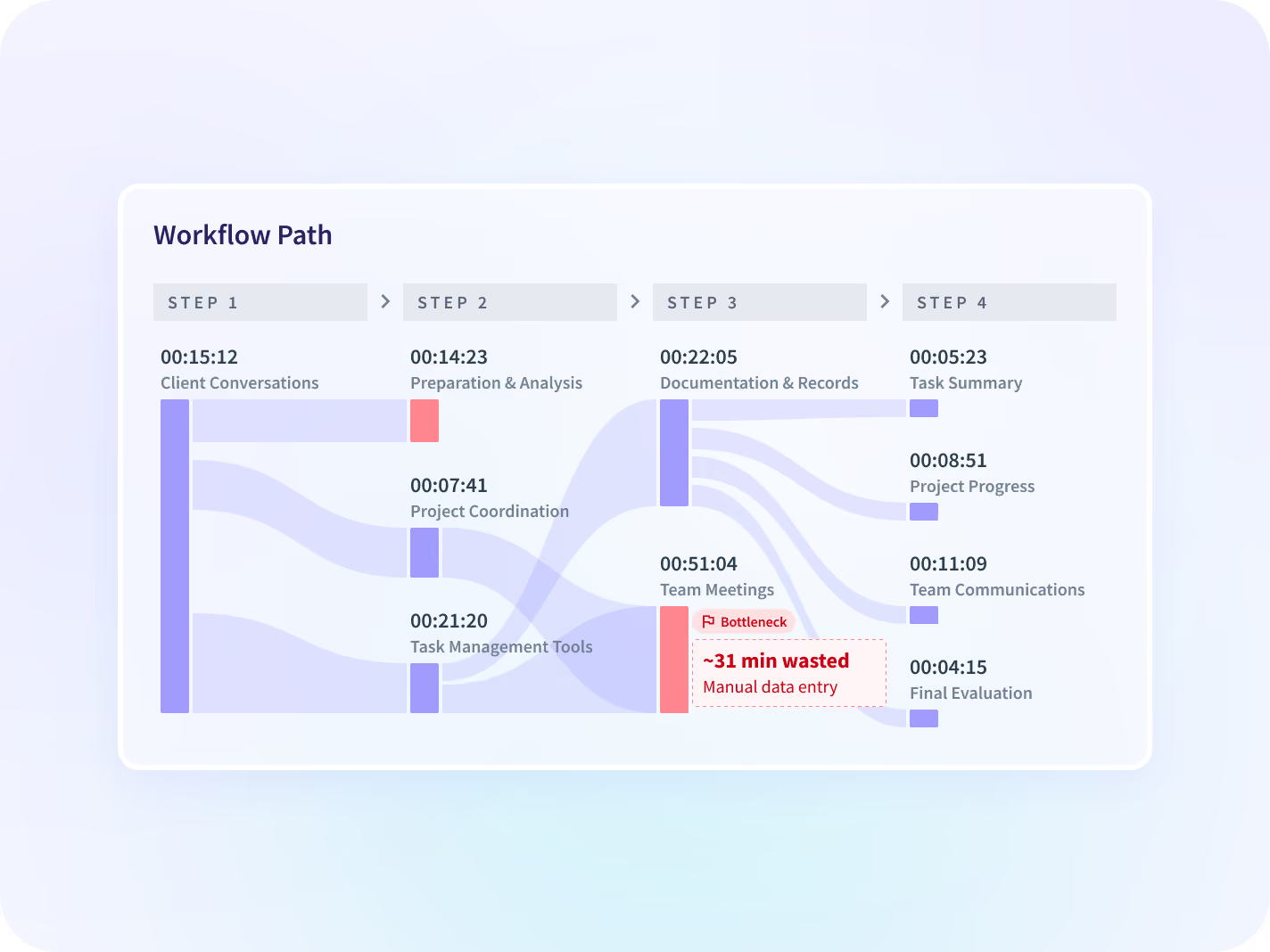
Every step of your most time-intensive processes is mapped automatically, with the hours sitting at each stage. It reads off the same desktop application, so there is no server-log project behind it.
- A global financial intelligence firm cut average handle time 3.6% across 500+ daily cases
- Insightful quantifies where a fix pays. Building it is your team or a partner
Rank the fixes before the margin call
Count the coordination inside the gap
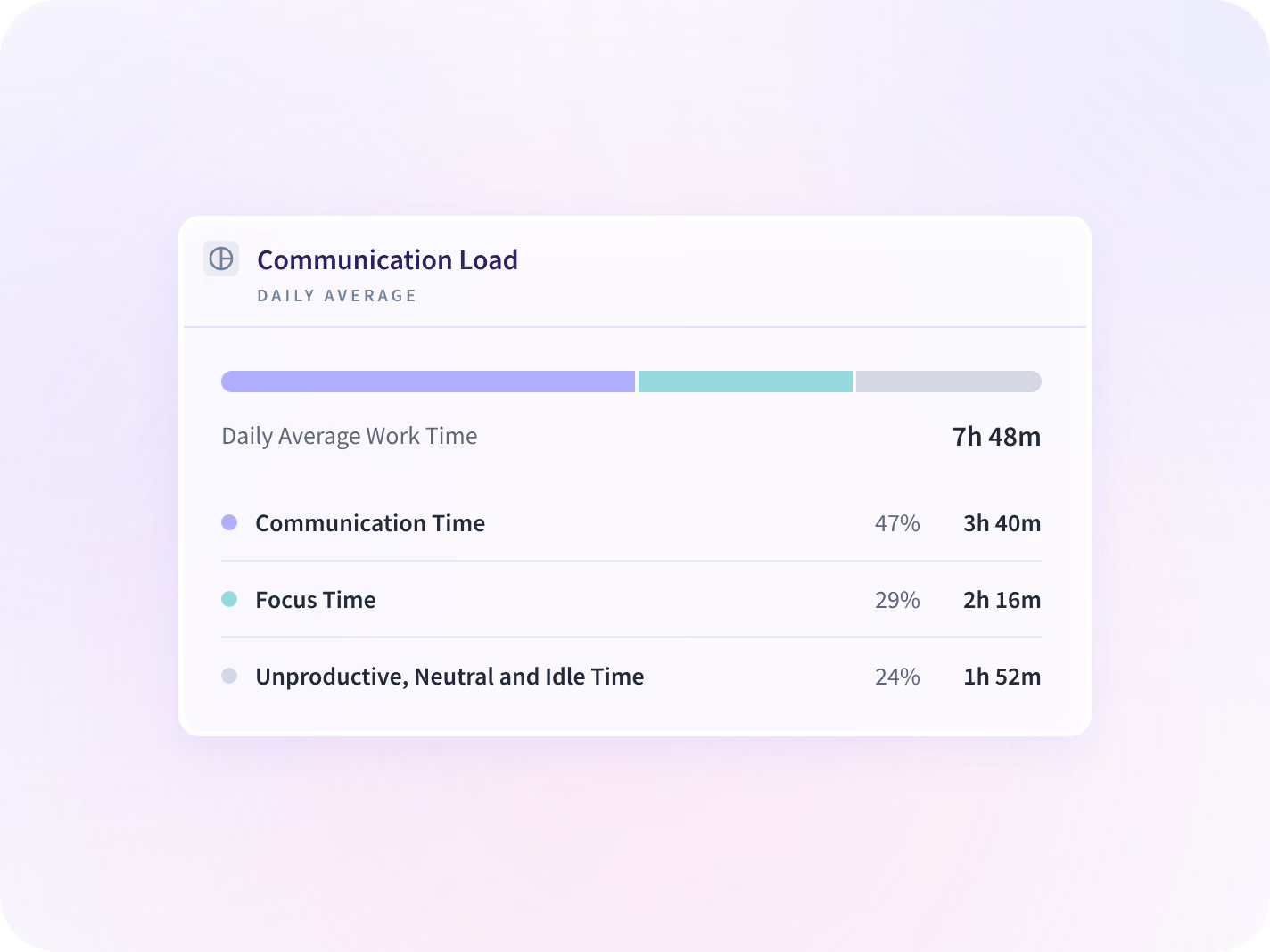
Meetings, calls and message threads are counted apart from time on the work, whether or not anyone booked them. Coordination is the most common occupant of a utilization gap and the least often measured.
- It counts that a meeting happened and how long it ran, never what was said
- One firm's review cycle ran 20 to 30 hours a person across seven separate sources
See which tools the work runs through
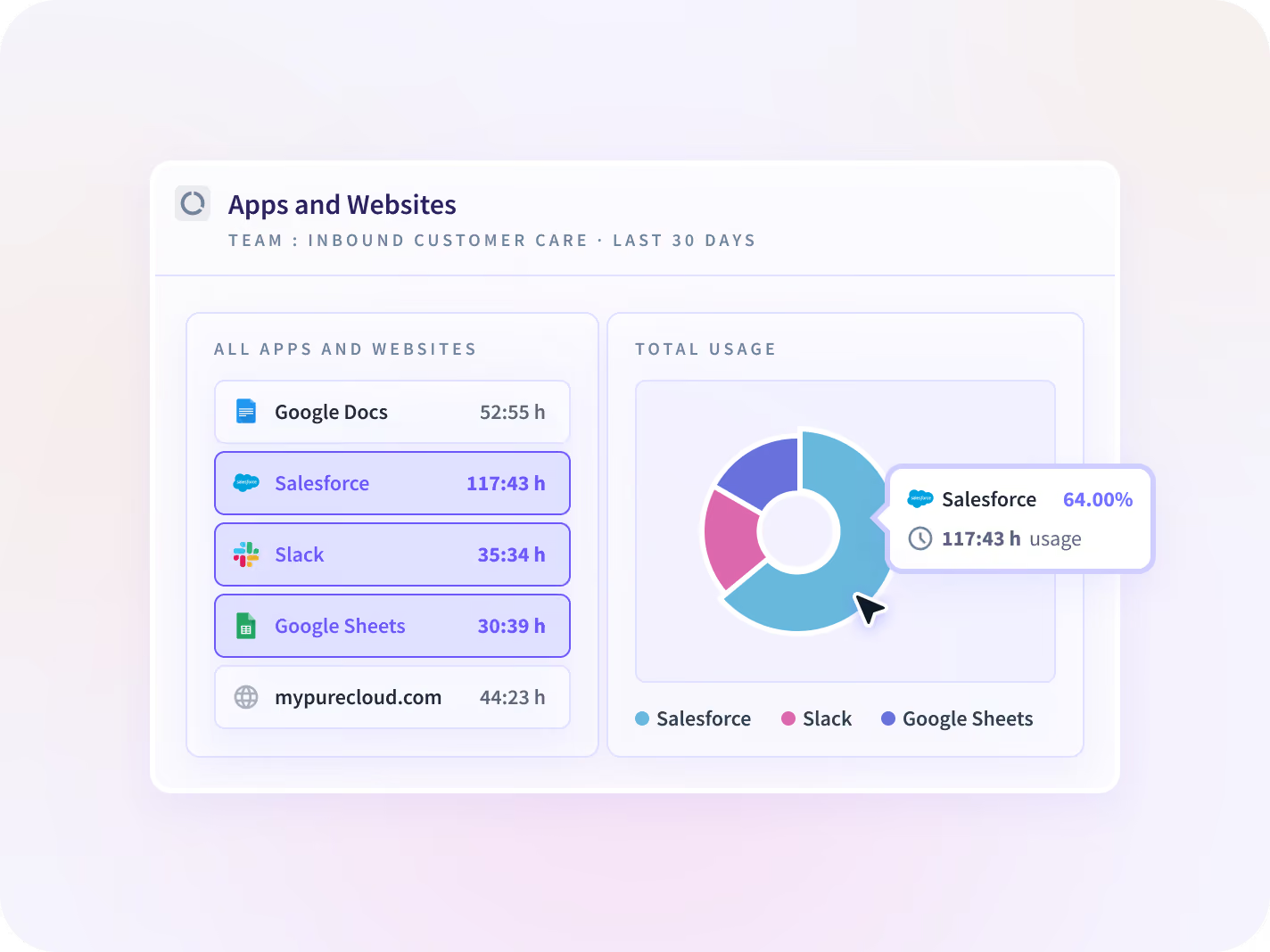
Every application and site is ranked by the working hours spent in it, with a last-used date on each. Crossing four systems to finish one task costs hours that never reach a licence line or a process map.
- The applications one process runs through, ranked by the hours in each
- Which paid tools carry no working hours behind them at all
Nothing here argues for fewer people
What gets collected is agreed per team before anything is installed, and that list is published, versioned and dated. Every measure on this page is time and where it went, reported at team level.





What the ranked list still has to answer
A ranked fix has to land somewhere, and somebody has to have the capacity to build it. These three are the pages where that decision gets made.

Which team does the fix land on?
Hours, meeting load and after-hours work side by side, so a fix misses the team already absorbing overflow.

Do we hire, or move somebody?
Utilization by team and site before a requisition is raised, which is the decision this evidence is for.

What does the client get billed?
The hours behind a billed line, and what a client receives when they ask to see them.
Teams that stopped cutting the only measured line
These delivery teams broke a cost line into coordination, tools and rework before anybody proposed a headcount number.





Every system the delivery runs through, connected
The systems a process crosses are the systems it gets mapped from: your ticketing stack, your CRM, your finance tools, and 50+ integrations beyond them. You can talk to your work data with MCP connectors.



The margin meeting that only ever names people
What delivery leaders ask us most
Deployment runs in the first two days, collection runs to day fourteen, and then we deliver the report and go through it with your team. You keep it. Insightful is a work insights platform. It collects hours, application use and meeting load from desk-based teams and reports them by team, each measure against the period before. Two things are worth knowing before you click. The audit is part of the Work Intelligence alpha, which is invite-only and not in general release. It starts with a qualification check rather than a signup, and that check covers desk-based knowledge work on Windows, macOS and Linux. A warehouse floor, a retail floor or a driving fleet sits outside the number. Companies that are selected go on into a three-month design exercise with our product and customer success teams, which is a commitment rather than a trial.
By finding where the hours go before deciding there are too many of them. The gap between utilization and your own target is usually coordination, tool switching, rework and manual steps rather than idle people. The audit maps the processes behind that gap and ranks the fixes by what each one would return. The reporting underneath is team level by default, which keeps this a conversation about a process rather than a list of names. It is also the slower answer: a headcount cut lands in one quarter and a ranked process fix does not.
Output against the hours and the tools it took to produce it, reported as utilization, productive time and cost per unit, measured as the work happens rather than reconstructed afterwards. There is deliberately no single vendor score behind it, which also means there is nothing to benchmark yourself against on arrival. The number that means anything is measured against your own target and your own unit of delivery, and you set both. A BI dashboard reports the output after the period closes; this reports the work that produced it, while there is still a quarter to change.
No. Insightful maps the process, quantifies what each fix is worth and ranks them. Building the automation is your own team or a partner, and that is the boundary rather than a phase we have not reached yet. It is worth knowing before the ranked list arrives, because the list is only useful to somebody who has the capacity to act on it.
Hours recovered and licences retired are direct and countable. A process fix is quantified as hours returned, which converts to cost at your own rate. What you will not get is a single blended ROI number, because a blended number is modelled rather than measured, and the first CFO who asks how it was built will find that out in about a minute. Any figure we show you that came off a customer's own model is labelled as one.
