.svg)


Find out why the same work is taking longer than it did
Two teams the same size closed the same volume last quarter, and one of them spent far longer on it. Insightful shows you which one, and the week the difference started.


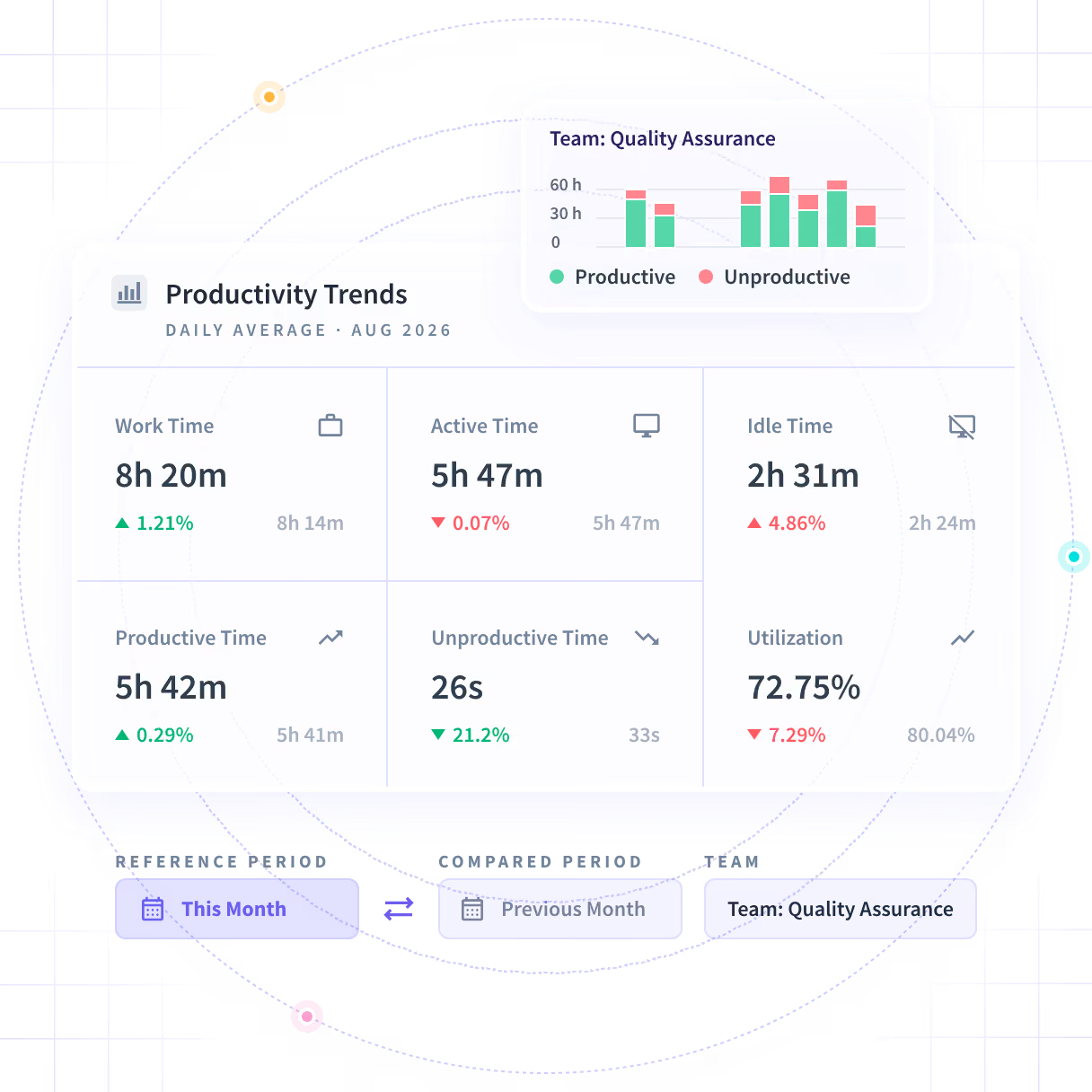











Read up from the high 70s on one measure.

Read up from a baseline of which applications the work ran in.

Across Customer Support and VIP Support teams.
Know what the extra hours are going into

Without Insightful

The month it slowed sits inside a total that only closes when the quarter does.
And whatever they assemble is out of date by the time they have finished it.
So the only evidence it did anything is that nobody has complained about it.
Activity confirms somebody was at it and stops before the question you asked.
The cause gets decided in the meeting rather than read off anything at all.

With Insightful

Activity plots across the range, so a turn shows up in week two rather than later.
The period before is already attached to every measure, with nothing to set up.
The measures either side of the change exist whether anyone planned for them or not.
The applications the work ran in, ranked by the time spent in each one.
The same measures, by team, before the change and after it, side by side.
Tell the faster team from the one working longer
Productive, unproductive, idle and active time read side by side for both teams, by team and never by person. Nowhere on it is there a single score: a score would close the question before you asked it.
- Farmers Insurance read productive time from the high 70s to 92% on one measure
- The comparison runs on the team, because the question is whether a process moved
See the hours climb while the volume stayed flat
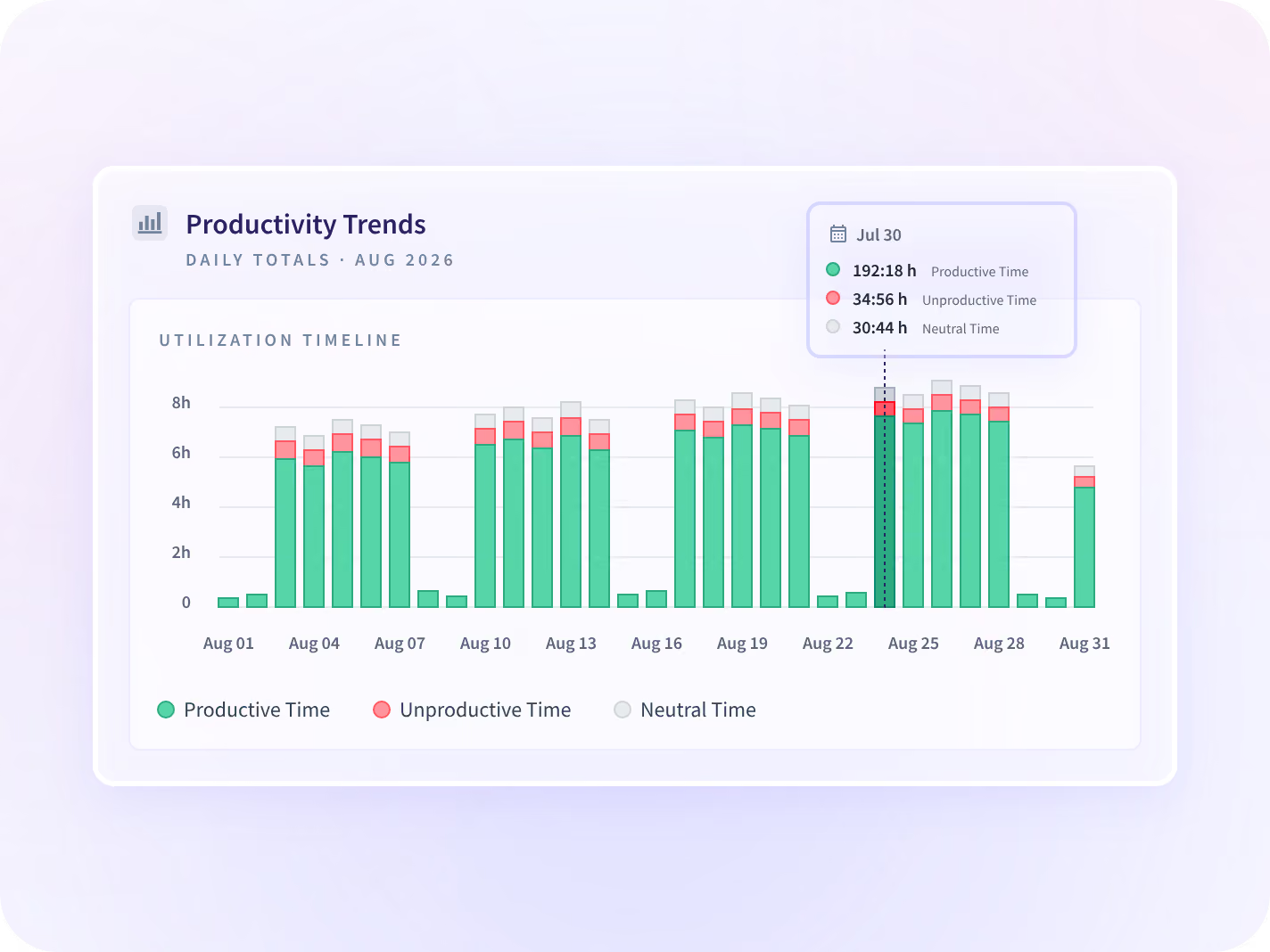
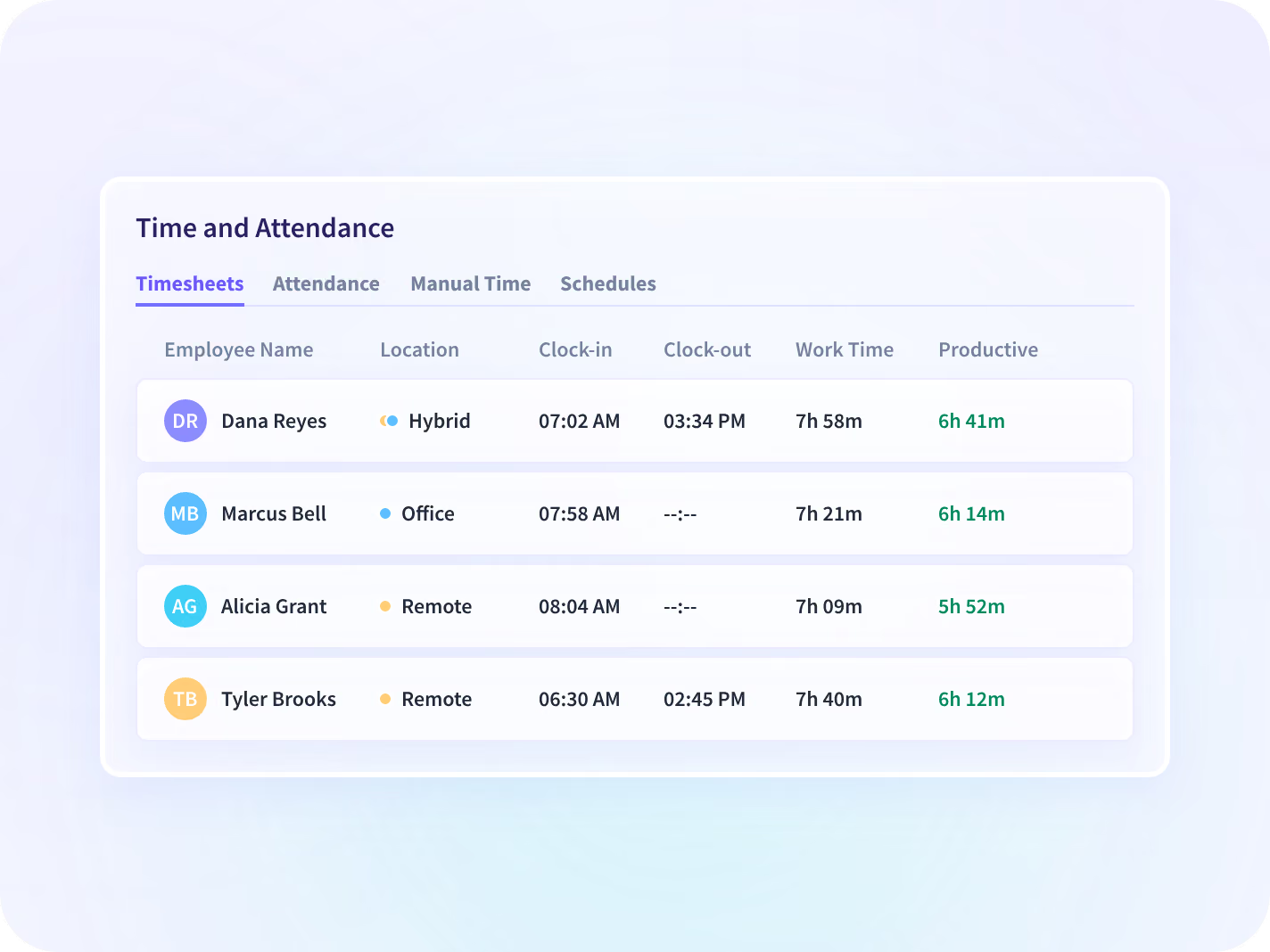
Hours are captured as the work happens, so nobody has to rebuild a quarter from memory. Anything added by hand routes to a named approver before it counts toward anything.
- March: the same volume out the door, four hundred more hours behind it
- Captured time and submitted time are not the same evidence, and only one is checkable
Put a date on it before the quarter closes
Know whether the change you made held
Every number carries its percent change against the same-length period before it, so a change made in one month shows as a movement in the next. You get a team and a date to go and ask about, not a cause.
- The week it turned: the second week of March, on one team's chart
- It will not tell you the change caused the movement; something else happened that month too
See whether anyone opened what you rolled out
Every application and website is ranked by the time spent in it, by team. It reads off the endpoint, so something nobody registered shows up the day it is first opened.
- TRG raised productivity 76% working from a usage baseline of this kind
- It reports which application was open and for how long, never what was in it
Nothing in this report argues for fewer people
Every measure here is time and where it went. A team that gets three hours back has three hours to put somewhere, and nothing in this report decides what.







Whether it costs more than it did, and what changed
On its own each report answers part of the question. Read together they tell you whether the same work costs more than it did, and what changed underneath it.

Can we trust the hours underneath this?
What the week actually held, staff and contract alike, and the page that owns that question.

Where does cost come out, not people?
The decision this evidence is for, and the page that argues how to make it.

Which team absorbed the work we removed?
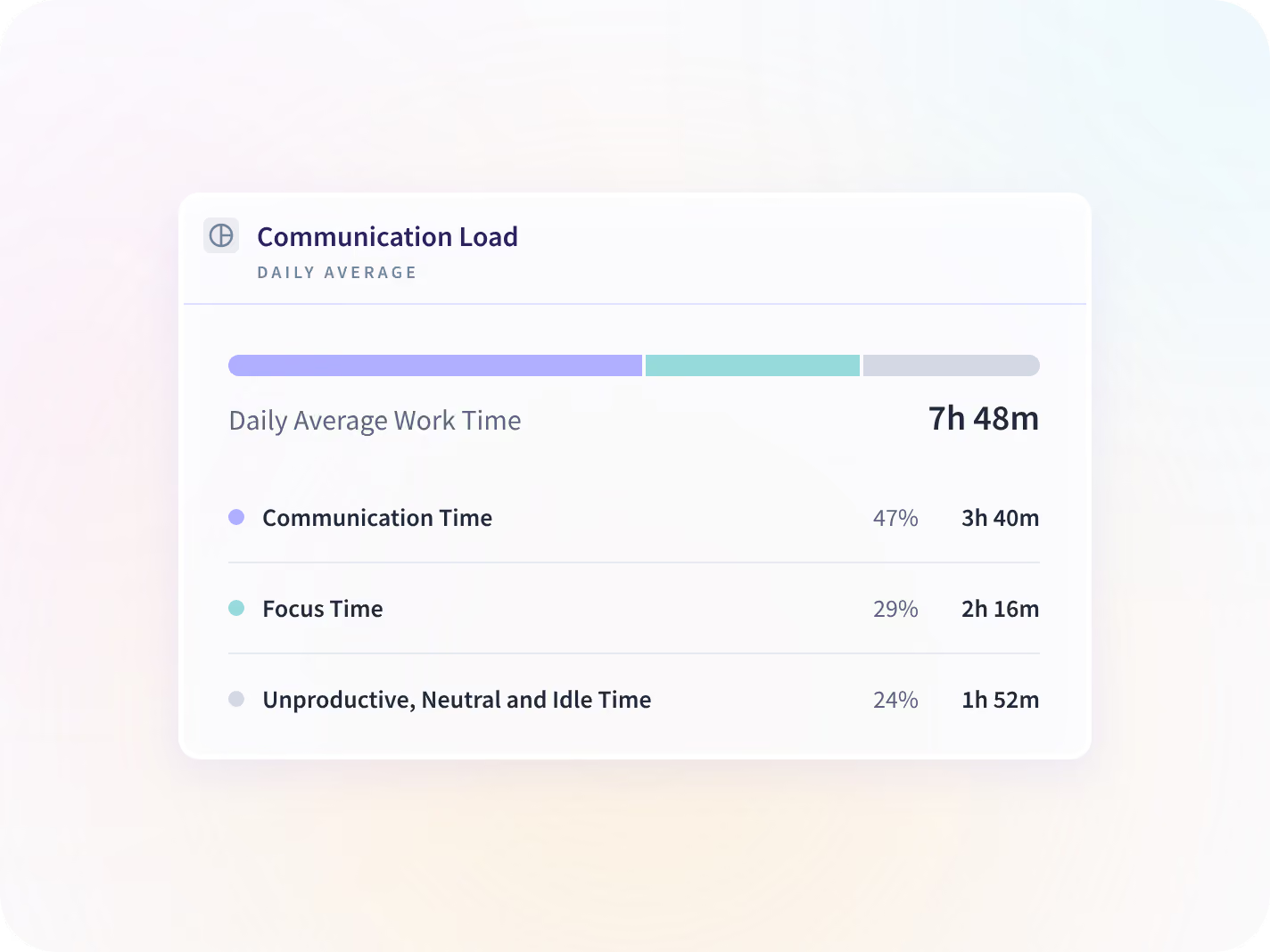
Load read at team level rather than by whoever mentioned it first in the meeting.
The argument that ended with a number in it







Every system the process runs on, connected
Before and after come off the endpoint rather than out of the tools you connected, so a change that moved work elsewhere still shows. You can talk to your work data with MCP connectors.



Stop settling it by whoever sounds most certain
What operations leaders ask us most
No. Every measure on this page is time and where it went, and a team that gets three hours back has three hours to put somewhere. What happens next is a decision nobody makes from this report, and if fewer people is the outcome you are buying for, the numbers here will not build that argument for you. The worry worth having runs the other way: a change that moved the work into the evening still reads as time recovered, and Prevent Burnout & Retention is the page for what to do about that.
Workforce efficiency is the ratio between the time a team spends and the work that time produces. It is measured against the period before rather than against a target somebody set. Insightful is a work insights platform: it collects time on the work, application use and how much of the week went into meetings, calls and message threads, then reports all of it by team with each measure carrying its percent change against the same-length period before it. Half the ratio is yours. We report the input side honestly and say so; what counts as work produced comes from the output measures your organization already keeps, and you can read them beside the activity data by CSV today.
Workforce Visibility answers what your teams actually worked, and whether you can move somebody or have to hire. This page answers why the same work is taking longer than it used to. If you do not yet have one record covering staff and contract teams, start there; if you have it and the question is why this quarter cost more than the one before it, you are on the right page. Operational Efficiency is the third in this group, and it answers where cost comes out without people coming out, which is the decision rather than the evidence under it.
Compare the same measures either side of it. Insightful reports time on the work, application use and meeting load per team with the preceding period alongside, so a change made in one month shows up as a movement in the next, in week two rather than at the close. The part nobody enjoys: the measures will not tell you the change caused the movement. Something else happened that month too, and it always will have. What you get is a team and a date to go and ask about, not a cause.
Two weeks gives a readable period to compare against, and a month either side of a change is the shortest comparison worth arguing from, because a two-week window still carries whatever was unusual about those two weeks and somebody in the room will say so. Everything on this page comes off a desktop application, so it covers desk-based knowledge work on Windows, macOS and Linux; a team without a primary computer is outside what it reads.
