.svg)


Put a last-used date against every seat you renew
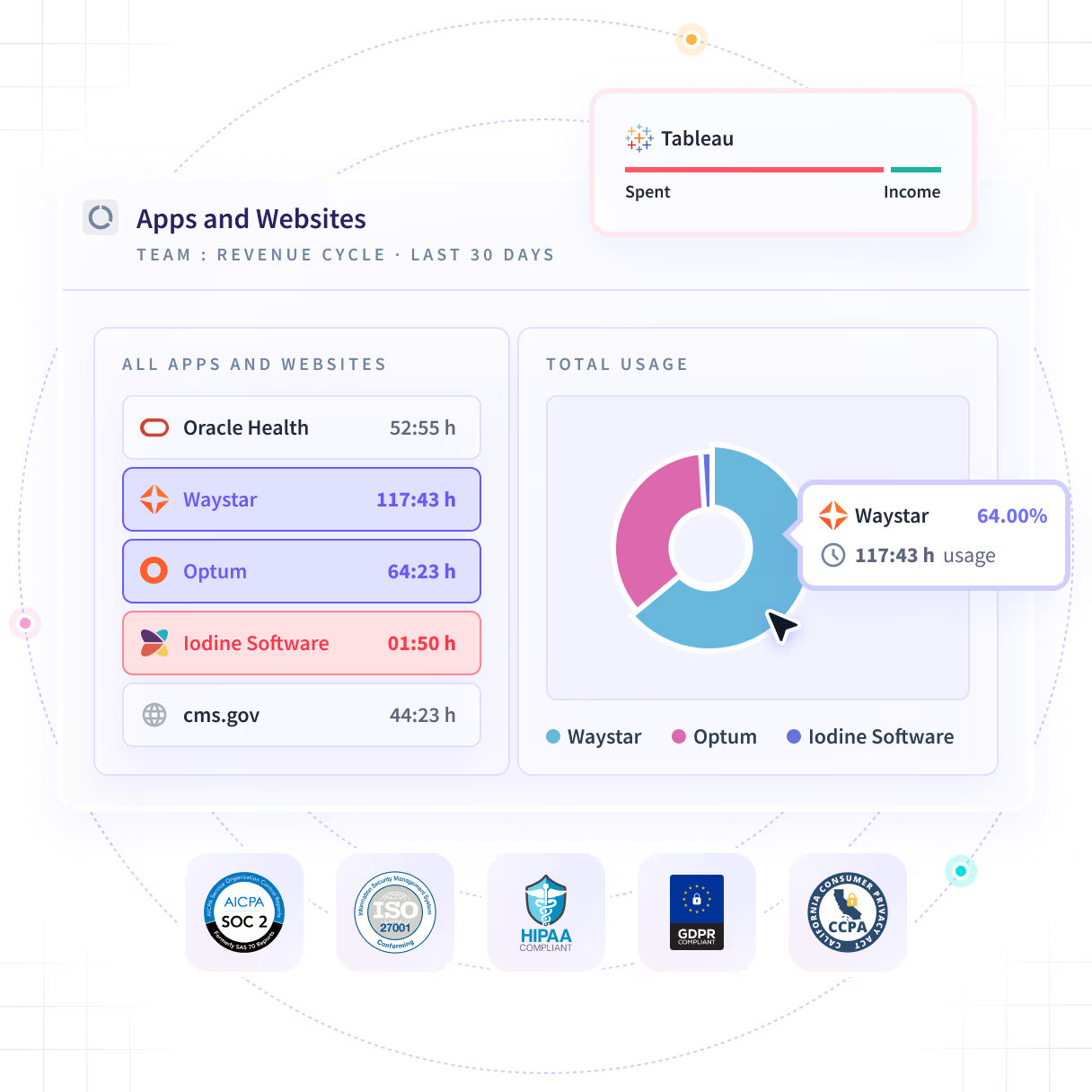
Every application and site ranked by the time your teams spend in it, matched against the license list. The seats nobody opened come back named, with a date on each.









Renewal runs on the purchase record, not on use
Purchasing knows what was bought. Nothing on the other side of that record says what anyone opened, so the renewal gets approved on the same assumption that justified the original purchase.

Renew against what was used, not what was bought
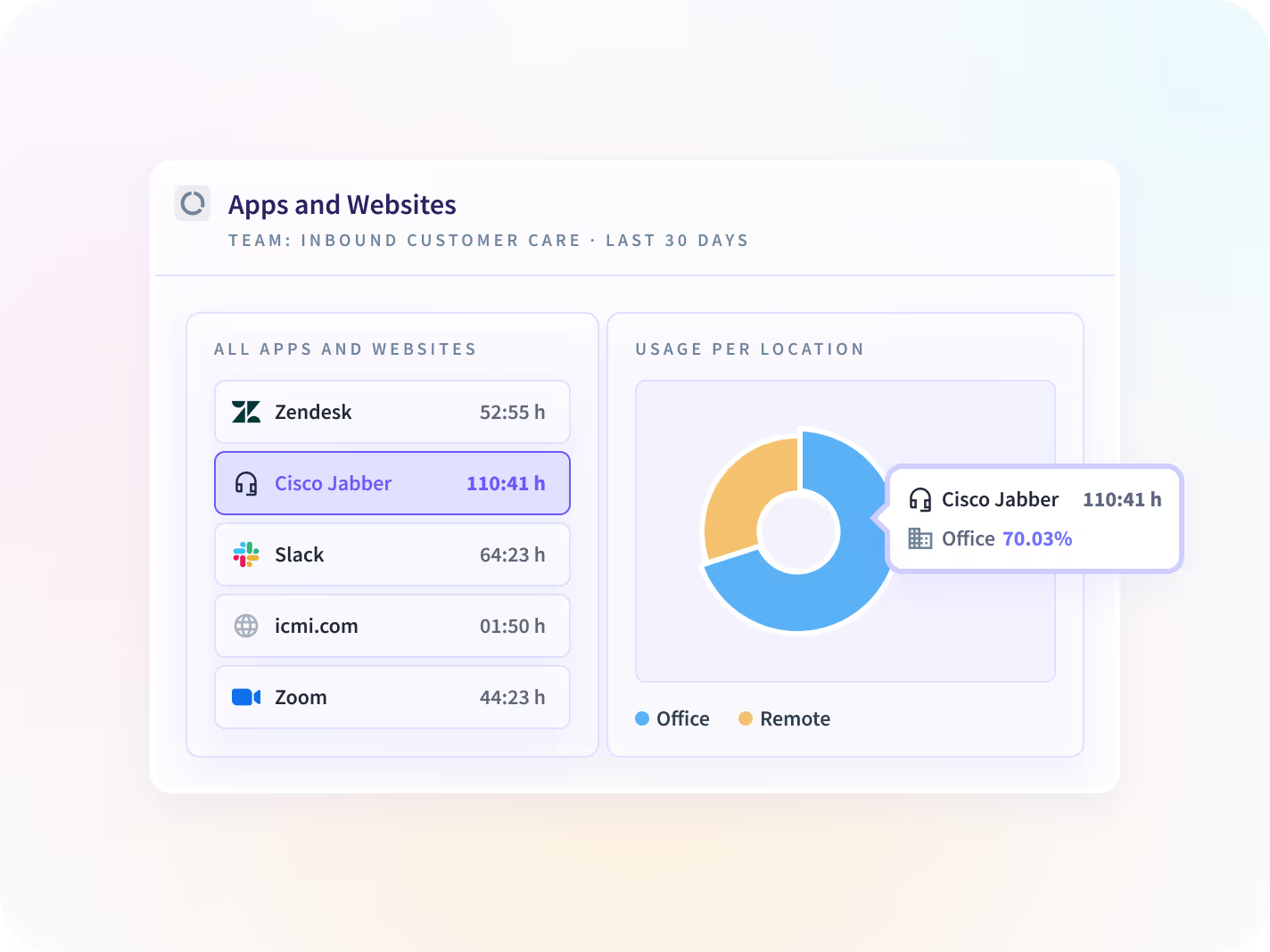
Every application and website is ranked by the time your teams spend in it. Set that against your license list and the seats nobody opened come back named, with a date on each.

A date, not an assumption
Every seat comes back with the last date somebody opened it, which is the number a renewal argument has never had.

Read from the machine
Usage comes off the desktop application as the work happens, not from each vendor's own report, so one ranking covers the whole stack instead of one product at a time.

You bring the license list
Insightful reads what was opened. Matching it to what was bought needs your list, because the procurement system is not something it reads.

Unopened is not cancelable
A seat nobody opened may still belong to somebody mid-project, which is why the ranking names the teams before you cut it.
See every tool people open, whether you bought it or not
Ranked by total time, grouped the way you already think about your stack, and openable down to the teams still on a tool. Anything nobody registered shows up the day it is first opened.


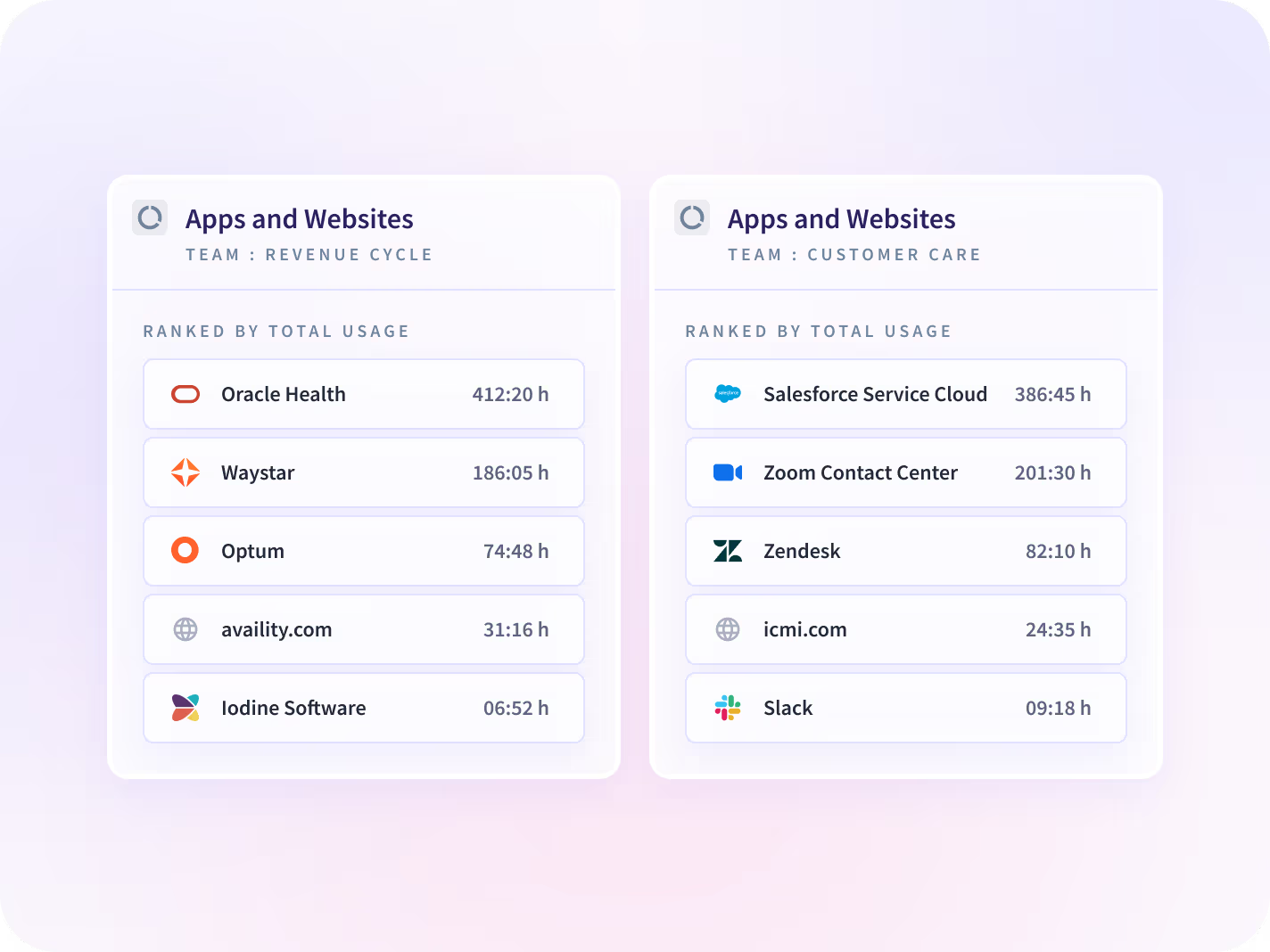
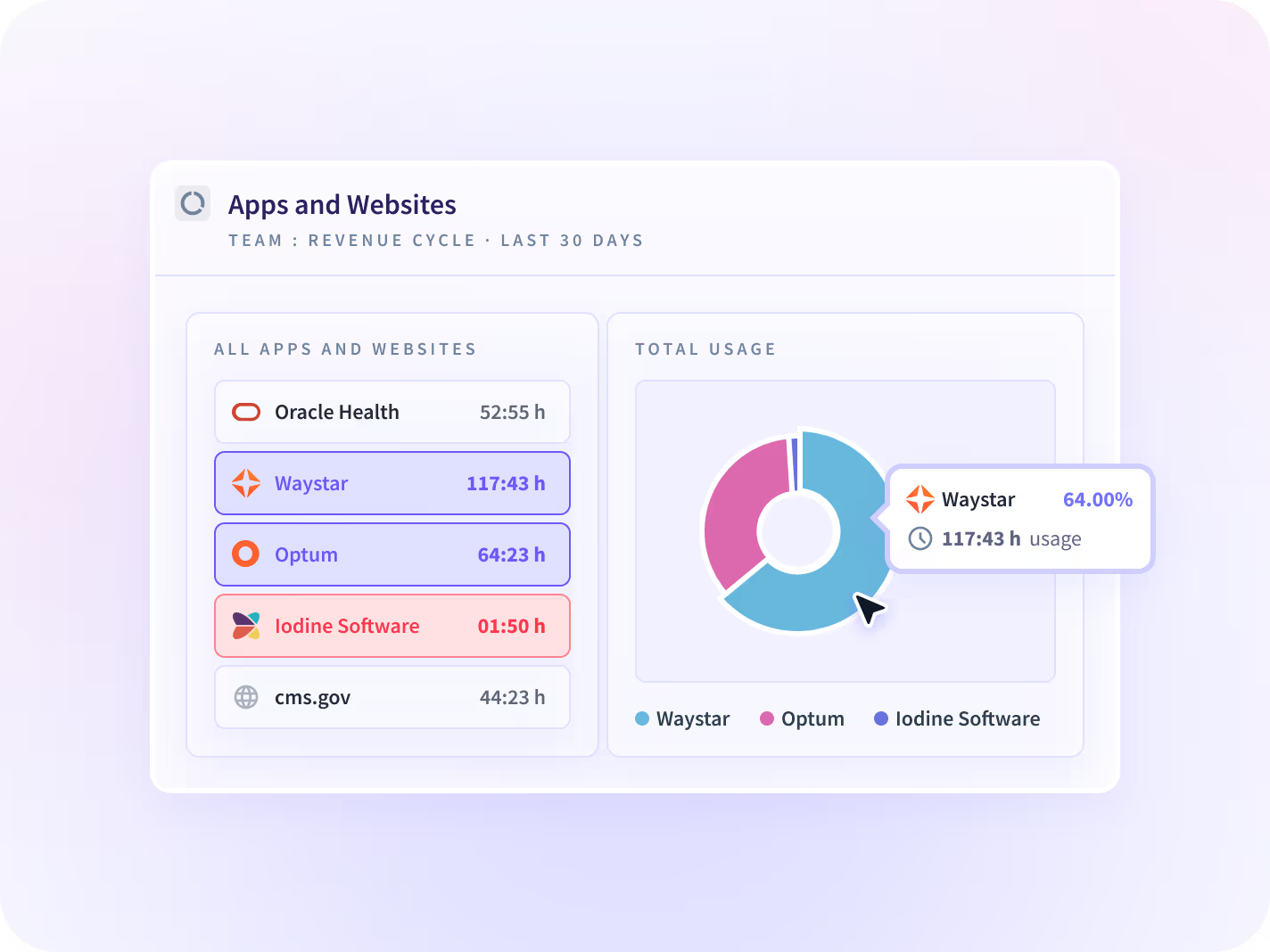
Every application and site ranked by total time, across the organization or inside one team, so the stack is ordered by use rather than by what procurement remembers.


Applications nobody registered appear on the day they are first opened rather than at the next audit, ranked alongside everything procurement bought, AI tools included.


Group tools the way your organization already thinks about them and report on the group, which is what surfaces two products doing one job before both renew.


Open any application to see its most active teams and people, and how much of its use is office against remote, so a seat can be reallocated rather than canceled.
Price the renewal on what people opened
A ranking tells you what is open. Add the seats it prices, the tools nobody expensed, the AI line kept on its own and the cost per unit behind a consolidation, and the renewal stops being an argument about who shouts loudest.

IT Spend
Seats bought set against seats opened, with a last-opened date on every line before the invoice is approved.

Shadow IT
Applications nobody expensed, surfaced from the same ranking, so an unapproved tool is named before it renews.

AI Adoption
Which teams turned paid AI seats into daily use, and which seats sit idle, judged the same way as the rest of the stack.

AI Spend
What the AI line costs against who is opening it, kept as its own decision rather than buried in the software renewal.

Productivity Trends
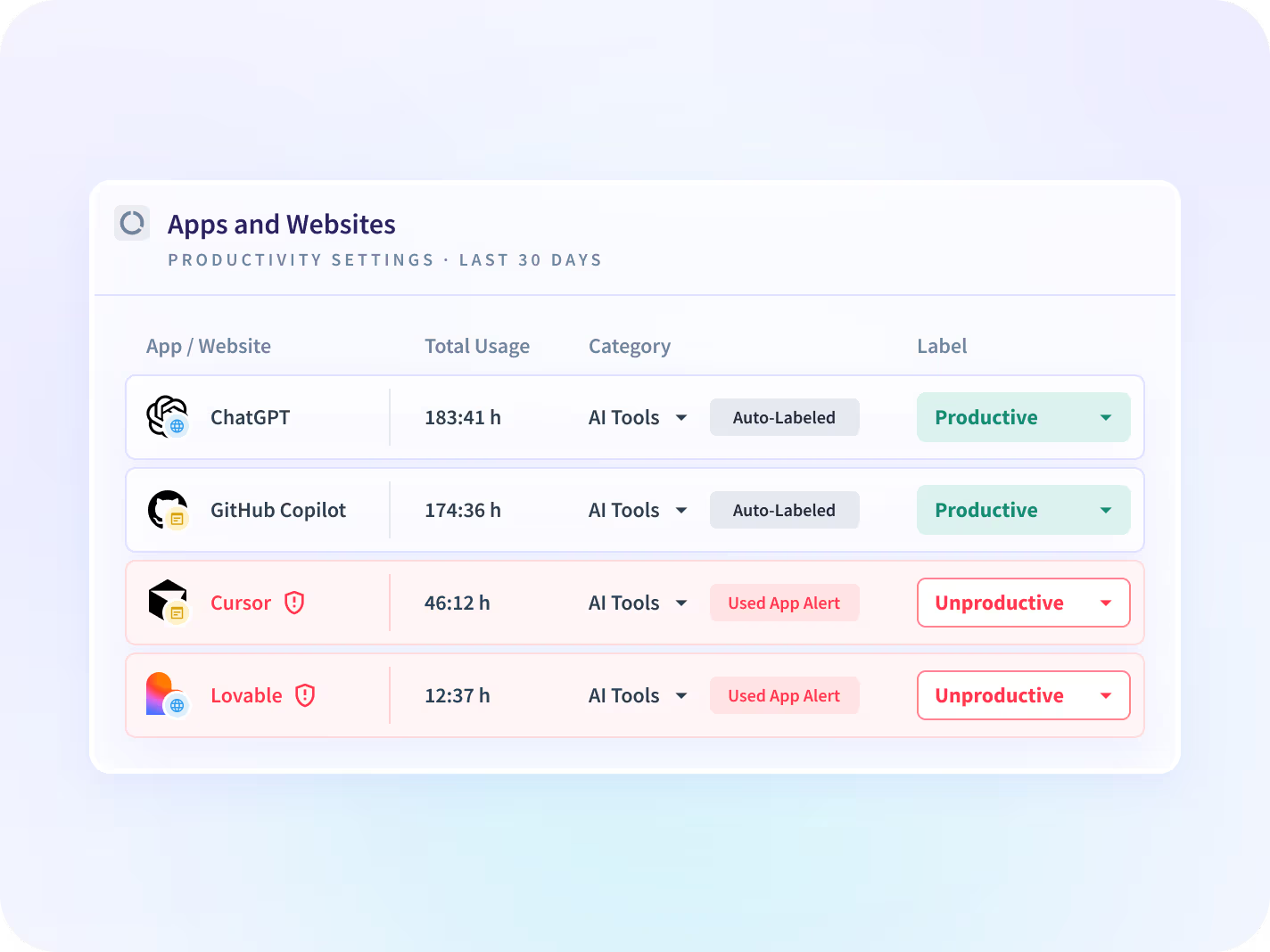
Whether time in a tool is productive time for that team, since a heavily used tool is not automatically a valuable one.

Operational Efficiency
The same usage data priced as cost per unit, which is how a consolidation survives the team that asked for the tool.
Three teams stop guessing at the same stack
The renewal approved on last year's assumption
Put a seat count next to an opened count for each tool, and cancel or resize on evidence instead of on which department argues hardest.
Software spend per head
The annual stack audit
See an application nobody rolled out on the day it first appears, rather than at the next audit or after an incident.
Tools under management
The vendor's own usage report
Separate the tools carrying real work from the ones that are habit, per team, before a consolidation lands on the wrong one.
Time recovered from tool switching
Which application was open, never what was in it
Usage is time in an application or on a site. Page content, form contents and anything typed are not captured, and neither are keystrokes. What gets collected is agreed before deployment rather than discovered after.







Trusted by 5,000+ Teams Worldwide





Find the seats nobody opened
No connector needed to see the whole stack
50+ integrations across the platform, and this ranking needs none of them. Usage comes off the desktop application, so a tool nobody registered appears without anyone connecting it first.


FAQ
Insightful ranks every application and website by the time your teams spend in it, by team and by person, and flags applications it has not seen before on the day they appear. Compare that against your license list to find what is paid for and unopened. The license list is the part you bring: Insightful reads the endpoint, not your procurement system. Drill into any tool to see which teams drive its usage, so a license can be reallocated rather than canceled.
Yes, as a usage finding rather than a policy verdict. An application nobody has registered is flagged the day it is first opened and ranked next to everything that came through procurement, AI tools included. Whether it belongs there is your call, and Shadow IT carries that argument in full.
A vendor's own report covers that vendor's product and nothing else, and application logs cover whatever somebody instrumented. This ranks every application and site in use side by side, including the tools nobody registered, from one source. It reports time spent in a tool, not what was done inside it.
Which applications and sites were open and for how long. Page content, form contents and anything typed into a site are not captured, and neither are keystrokes. Reporting can be held at team level, and capture can be switched off per application, per team or per person before anything is deployed.
It produces the two numbers a renewal argument needs: the license count, and how many of those seats were opened in the period. TRG cut tool costs 56% and raised productivity 76% from a usage baseline of this kind. An unopened seat is not automatically a cancelable one, which is why the drill-down names the teams still on the tool.
No. Insightful reports which applications were opened and for how long. The cost side comes from your contracts, and the renewal argument is built by setting one against the other rather than by reading a price out of the report.
SaaS spend management is matching software licenses against real use, so renewals, consolidations and cancellations rest on evidence. The contract half of that usually sits in procurement already. The usage half has to come off the endpoint, which is why a purchase record on its own cannot produce it.

